

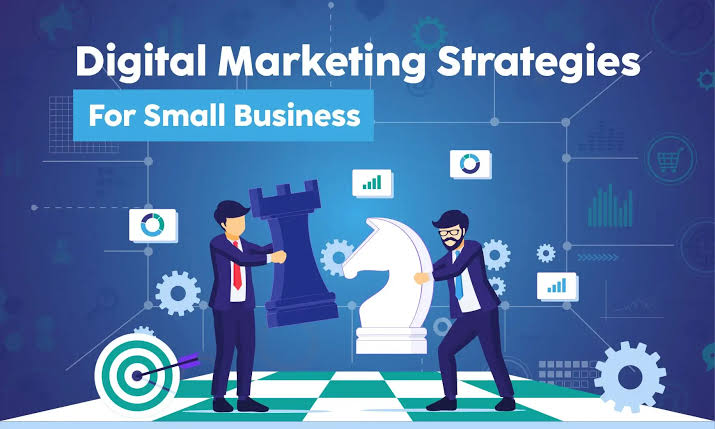
Effective Marketing Strategies for Small Businesses help owners attract the right customers without wasting limited time or budget. The most useful approaches combine clear positioning, local visibility, helpful content, customer retention, and measurable digital channels instead of relying on random promotions or expensive campaigns.
This article explains strategies small businesses can use to build awareness, generate leads, increase repeat sales, and improve marketing efficiency. It also shows how to choose channels, set priorities, track results, and avoid common marketing mistakes.
Why Small Business Marketing Requires Focus
Small businesses usually have fewer resources than larger companies. That makes prioritization especially important.
Trying to use every marketing channel at once can spread time and money too thinly. A better approach is to identify the customers most likely to buy, understand where they spend time, create a clear message, and concentrate on a manageable number of channels.
Effective marketing should ultimately help a business achieve measurable outcomes such as:
- Generating qualified leads
- Increasing store visits
- Driving website traffic
- Producing online sales
- Growing repeat purchases
- Increasing bookings
- Building customer loyalty
- Improving brand recognition
The right strategy depends on the business model, audience, location, price point, and buying process.
Read More: Common Startup Mistakes and How to Avoid Them
1. Define Your Target Customer Clearly
Marketing becomes much more efficient when you know exactly who you are trying to reach.
A local bakery, accounting firm, ecommerce store, landscaping company, and software business may all be small businesses, but their customers behave very differently.
Start by defining an ideal customer profile.
Consider:
- Age range where relevant
- Location
- Occupation or business type
- Income or budget
- Common problems
- Buying priorities
- Preferred communication channels
- Reasons for choosing a competitor
- Factors that influence purchasing decisions
For a B2B company, the profile may also include company size, industry, job title, purchasing authority, and typical contract value.
Focus on Problems, Not Just Demographics
Demographic information is useful, but customer problems often matter more.
For example, a home-cleaning business may target busy households that value convenience and reliability.
A marketing message focused on those problems is usually more meaningful than generic statements about offering “high-quality services.”
2. Create a Clear Value Proposition
A potential customer should quickly understand:
- What you offer
- Who it is for
- What problem it solves
- Why your business is worth considering
Avoid vague claims such as:
“Providing innovative solutions for every need.”
Instead, communicate something specific.
For example:
“Same-week bookkeeping support for small ecommerce businesses.”
The second message identifies both the service and intended customer.
A clear value proposition makes websites, advertisements, social profiles, sales conversations, and email campaigns more consistent.
3. Build a Professional Website
Even businesses that primarily operate offline can benefit from a reliable website.
Customers often want to check basic information before contacting a company.
A small business website should make essential information easy to find.
Important elements include:
- Clear description of products or services
- Contact information
- Opening hours where relevant
- Pricing or quote information where appropriate
- Service areas
- Testimonials or reviews
- Strong calls to action
- Mobile-friendly design
- Fast-loading pages
- Secure browsing
- Frequently asked questions
The website should guide visitors toward a specific action instead of simply presenting information.
Possible calls to action include:
- Request a quote
- Book an appointment
- Call now
- Start an order
- Schedule a consultation
- Join the email list
4. Use Local SEO for Location-Based Businesses
Local search visibility can be particularly valuable for businesses serving specific cities or areas.
Examples include:
- Restaurants
- Dentists
- Repair services
- Salons
- Contractors
- Lawyers
- Cleaning companies
- Fitness studios
- Retail stores
Local SEO helps search engines understand where a business operates and what it offers.
Optimize Your Business Information
Keep important business details accurate and consistent across relevant platforms.
This includes:
- Business name
- Address
- Phone number
- Website
- Opening hours
- Service categories
- Service areas
Create Location-Relevant Website Content
Businesses serving multiple areas can create useful pages explaining services available in each legitimate service location.
Avoid creating large numbers of nearly identical pages simply by changing city names.
Each location page should provide genuine information relevant to customers in that area.
5. Make Customer Reviews Part of Your Marketing
Reviews can influence customers who are comparing similar businesses.
Satisfied customers are often willing to leave feedback, but many will not think to do so unless asked.
Create a simple process for requesting reviews after a successful purchase or service interaction.
Possible methods include:
- Follow-up email
- SMS message
- Receipt link
- Post-purchase page
- QR code in a physical location
Do not pressure customers to provide positive reviews.
The objective should be authentic feedback.
Respond to Reviews Professionally
Responses demonstrate that the business pays attention to customers.
For positive reviews, keep responses appreciative and concise.
For negative reviews, avoid arguments. Address the concern professionally and offer an appropriate way to continue the conversation where necessary.
6. Use Content Marketing to Answer Customer Questions
Content marketing works best when it helps potential customers make decisions or solve problems.
Useful content can include:
- Blog posts
- How-to articles
- Product comparisons
- Videos
- Case studies
- FAQs
- Checklists
- Tutorials
- Buying advice
- Email resources
A plumbing company could publish content about common household leaks.
An accounting firm could explain tax preparation processes.
A software company could publish workflow tutorials.
The purpose is not simply to publish more content. Each piece should answer a genuine customer question or support the buying journey.
7. Build an SEO Strategy Around Search Intent
Search engine optimization can bring potential customers to a website when they actively search for relevant information, products, or services.
Start by understanding why someone uses a particular search query.
Common search intents include:
Informational Intent
The user wants an answer.
Example:
“How often should air conditioning be serviced?”
Commercial Investigation
The user is comparing options.
Example:
“Best accounting software for small retailers”
Transactional Intent
The user may be ready to act.
Example:
“Book carpet cleaning near me”
Navigational Intent
The user wants a specific company or website.
Matching content to search intent can improve both usefulness and conversion potential.
8. Use Social Media Selectively
A small business does not need to be active on every social platform.
Choose platforms based on where potential customers are actually active and what type of content suits the business.
For example:
- Visual businesses may benefit from image- or video-focused platforms
- Professional service companies may focus more on business-oriented networks
- Local businesses may prioritize platforms used for community interaction
- Educational brands may benefit from short-form or long-form video
Consistency is usually more valuable than maintaining several inactive accounts.
Create Content With a Purpose
Useful social content can include:
- Product demonstrations
- Customer stories
- Behind-the-scenes content
- Educational tips
- Before-and-after examples
- New product announcements
- Frequently asked questions
- Short tutorials
- Team introductions
Not every post needs to sell directly.
Strong social media marketing can also build familiarity and trust.
9. Start Email Marketing Early
Email gives businesses a direct communication channel with customers and prospects who have chosen to subscribe.
Unlike social media, an email list is not entirely dependent on a social platform’s content distribution system.
Businesses can use email for:
- Promotions
- Product launches
- Educational content
- Appointment reminders
- New service announcements
- Customer onboarding
- Repeat-purchase reminders
- Event invitations
Segment Your Email List
Not every subscriber needs the same message.
Useful segments might include:
- New subscribers
- Existing customers
- Repeat customers
- Inactive customers
- Specific product buyers
- Business leads
- Customers in particular locations
More relevant emails are usually more useful than sending every message to the entire database.
10. Create a Simple Lead Generation System
Generating interest is not enough if there is no process for converting that interest into a customer.
A basic lead generation funnel might look like this:
Visitor → Inquiry → Follow-up → Consultation or Quote → Purchase
Each stage should have a clear next action.
For example, a service business could direct website visitors toward a quote form.
After submission, the business should have a defined follow-up process.
Slow or inconsistent follow-up can cause otherwise valuable leads to disappear.
11. Use Paid Advertising Carefully
Paid advertising can generate traffic quickly, but it can also waste money when targeting, messaging, or conversion tracking is weak.
Before increasing advertising spend, make sure you understand:
- Target audience
- Campaign objective
- Landing page
- Offer
- Conversion action
- Maximum affordable acquisition cost
- Tracking method
Do Not Send Every Ad to the Homepage
A dedicated landing page can often provide a more focused experience.
If an advertisement promotes a particular service, the landing page should continue that same message.
For example, an advertisement for emergency plumbing should direct users to information about emergency plumbing rather than a generic home page.
12. Use Retargeting When Appropriate
Some customers will visit a website without purchasing immediately.
Retargeting campaigns can remind previous visitors about the business.
This can be useful for purchases that require comparison or consideration.
However, campaigns should be controlled carefully. Excessive repetition can become irritating.
Retargeting works best when combined with relevant messaging rather than simply showing the same generic advertisement repeatedly.
13. Encourage Referrals
Existing customers can become an important source of new business.
Referral marketing works especially well when customers already have a strong reason to recommend a company.
Possible incentives include:
- Discounts
- Store credit
- Account credit
- Free upgrades
- Loyalty rewards
Incentives are not always necessary.
Sometimes simply asking satisfied customers to recommend the business can be effective.
The referral process should be easy to understand and simple to complete.
14. Build Partnerships With Complementary Businesses
Small businesses can expand their reach by working with companies serving similar customers without directly competing.
Examples include:
- Wedding photographers partnering with event planners
- Gyms partnering with physiotherapists
- Web designers partnering with marketing agencies
- Real estate agents partnering with moving companies
- Cafés partnering with local event organizers
Partnerships might involve:
- Cross-promotions
- Referral arrangements
- Joint events
- Content collaborations
- Bundled services
The strongest partnerships provide genuine value to both businesses and their customers.
15. Use Special Offers Strategically
Discounts can encourage purchases, but constant discounting can train customers to wait for lower prices.
Instead of relying only on price reductions, consider offers such as:
- Bundles
- Free consultations
- Limited upgrades
- Loyalty rewards
- Free delivery thresholds
- Trial periods
- Seasonal packages
Offers should support a business objective rather than simply reducing prices.
16. Improve Customer Retention
Marketing should not end after the first sale.
Existing customers already understand the product or service, making retention an important part of sustainable growth.
Retention strategies may include:
- Reliable customer support
- Loyalty programs
- Personalized follow-up
- Useful email communication
- Product recommendations
- Service reminders
- Exclusive offers
- Simple repeat ordering
Businesses should also investigate why customers stop purchasing.
Understanding customer loss can reveal product, service, pricing, or communication problems.
17. Use Marketing Automation Carefully
Automation can save time on repetitive tasks.
Small businesses can automate parts of:
- Email welcome sequences
- Appointment reminders
- Review requests
- Abandoned-cart follow-ups
- Lead notifications
- Customer re-engagement
- Reporting
Automation should improve efficiency without making communication feel irrelevant or confusing.
Messages still need to match the customer’s situation.
18. Create a Consistent Brand
Branding extends beyond a logo.
A consistent business identity includes:
- Visual design
- Messaging
- Tone of voice
- Customer experience
- Service standards
- Packaging
- Website presentation
- Social content
Customers should receive a recognizable experience across different touchpoints.
Consistency can make a small business appear more established and easier to remember.
19. Track Marketing Performance
Marketing decisions should be based on more than impressions or follower counts.
Track metrics that connect to business outcomes.
Useful metrics may include:
| Metric | What It Helps Measure |
|---|---|
| Website traffic | Overall online visibility |
| Conversion rate | How effectively visitors take action |
| Leads | Number of potential customers generated |
| Cost per lead | Efficiency of lead generation |
| Customer acquisition cost | Cost of gaining a customer |
| Sales revenue | Revenue generated |
| Repeat purchase rate | Customer retention |
| Email conversions | Effectiveness of email campaigns |
| Return on advertising spend | Revenue related to advertising spend |
Not every business needs every metric.
Choose measurements that match your actual goals.
20. Understand Customer Acquisition Cost
Customer acquisition cost helps businesses understand how much they spend to acquire new customers.
A simplified calculation is:
Customer Acquisition Cost = Marketing and Sales Cost ÷ New Customers Acquired
For example, if a campaign costs $1,000 and generates 20 new customers:
$1,000 ÷ 20 = $50 per customer
That number becomes useful when compared with the value and profitability of those customers.
A low acquisition cost is not automatically good if the customers generate very little profit.
21. Measure Conversion Rates
Traffic means little if visitors do not take meaningful actions.
A basic conversion-rate calculation is:
Conversion Rate = Conversions ÷ Total Visitors × 100
If a landing page receives 1,000 visitors and generates 40 inquiries:
40 ÷ 1,000 × 100 = 4%
Conversion tracking can help determine whether a marketing problem comes from insufficient traffic or an ineffective website, offer, or message.
22. Test One Variable at a Time
Marketing improves through testing.
Businesses can experiment with:
- Headlines
- Calls to action
- Landing pages
- Email subject lines
- Offers
- Ad creative
- Form length
- Pricing presentation
When possible, avoid changing everything simultaneously.
Testing fewer variables makes it easier to understand what actually influenced the result.
23. Build a Small Business Marketing Budget
There is no universal marketing budget that suits every company.
The appropriate amount depends on:
- Revenue
- Profit margins
- Growth goals
- Industry
- Customer acquisition costs
- Business stage
- Competition
- Available cash
Instead of choosing a percentage without context, build the budget around specific objectives and channels.
A simple allocation might include:
| Area | Purpose |
|---|---|
| Website | Conversion and credibility |
| SEO | Organic search visibility |
| Content | Education and search traffic |
| Paid advertising | Immediate customer acquisition |
| Retention and follow-up | |
| Local marketing | Community visibility |
| Testing | New channel experiments |
Review performance regularly and move resources toward channels producing meaningful business results.
24. Avoid Common Small Business Marketing Mistakes
Several mistakes repeatedly reduce marketing effectiveness.
Trying Every Channel
More channels do not automatically produce more growth.
Start with a few that match the audience.
Copying Competitors
Competitor research is useful, but copying their messaging makes differentiation difficult.
Posting Without a Strategy
Publishing content regularly has limited value if the content does not support customer needs or business goals.
Ignoring Existing Customers
Acquisition matters, but repeat customers and referrals can also support sustainable growth.
Focusing Only on Followers
Audience size is not the same as revenue or customer loyalty.
Stopping Marketing Too Quickly
Many marketing activities require consistent execution and sufficient data before their effectiveness can be evaluated properly.
A Practical Marketing Plan for Small Businesses
A simple marketing plan can prevent scattered activity.
Step 1: Define One Main Goal
Examples:
- Generate 50 qualified leads
- Increase online orders
- Grow appointment bookings
- Increase repeat purchases
Step 2: Define the Audience
Describe the specific customer segment you want to reach.
Step 3: Choose Two or Three Core Channels
Select channels based on where customers search, research, or spend time.
Step 4: Create the Offer
Clearly explain what the customer receives and why it matters.
Step 5: Create a Conversion Path
Decide exactly what customers should do next.
Step 6: Track Results
Measure leads, sales, costs, and conversion rates.
Step 7: Review and Improve
Keep effective tactics, improve weak ones, and stop spending on approaches that consistently fail to support business goals.
Frequently Asked Questions
What is the most effective marketing strategy for a small business?
There is no single strategy that works for every company. The best approach depends on the target customer and business model. Local SEO, email marketing, useful content, referrals, customer reviews, and focused paid advertising can all be effective when matched to the right audience.
How can a small business market itself with a limited budget?
Start with low-cost activities such as improving the website, optimizing local listings, requesting customer reviews, publishing useful content, building an email list, and encouraging referrals. Measure results before increasing spending.
Is social media necessary for every small business?
No. Social media is useful when the target audience uses relevant platforms and the business can produce suitable content consistently. Some businesses may receive better results from search, email, referrals, partnerships, or direct sales.
How often should a small business post on social media?
There is no universal posting frequency. A sustainable schedule with useful content is more valuable than posting frequently without a clear purpose. Choose a frequency the business can maintain consistently.
Is SEO worth it for small businesses?
SEO can be valuable when potential customers actively search online for the products, services, or information a business provides. Its importance depends on competition, search demand, location, and customer behavior.
Should small businesses use paid advertising?
Paid advertising can be useful when conversion tracking, audience targeting, landing pages, and financial limits are clearly defined. Start with controlled tests rather than committing a large budget immediately.
How do I know whether my marketing is working?
Connect marketing activity to measurable outcomes such as qualified leads, sales, bookings, acquisition costs, conversion rates, repeat purchases, and revenue. Avoid judging performance only by impressions or follower growth.
Conclusion
Effective Marketing Strategies for Small Businesses depend on focus rather than simply spending more money. Businesses should understand their ideal customers, communicate a clear value proposition, select appropriate channels, create useful content, retain existing customers, and measure results consistently.

1 Comment
Pingback: How Successful Businesses Build Customer Loyalty