

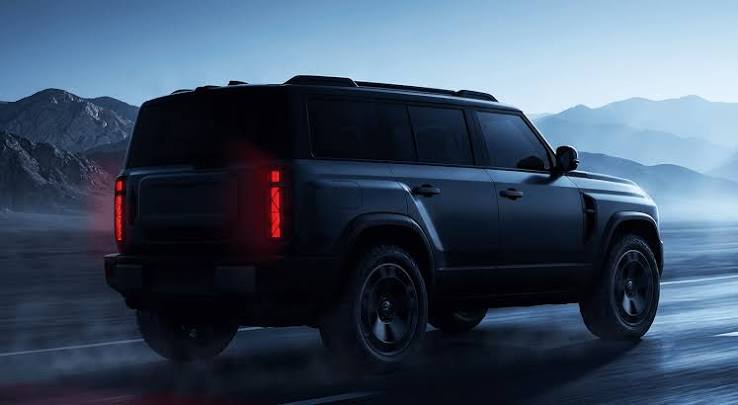
The Best New Cars to Watch This Year include more than headline-grabbing EVs. For 2026, buyers are seeing redesigned hybrids, electric SUVs with longer range, revived performance nameplates, and mainstream crossovers with smarter cabins. The strongest new models stand out through meaningful gains in efficiency, practicality, technology, or driving character.
This guide focuses on U.S.-market vehicles with specifications or launch information. It explains what is new, who the model suits, and details deserving attention before you test-drive, reserve, or buy.
What Makes a New Car Worth Watching in 2026?
A new model deserves attention when it changes something meaningful for buyers. A fresh grille or new paint color is not enough. The cars below were selected because they introduce a new generation, powertrain, body style, electric platform, major technology package, or significant improvement in everyday usability.
This is a watchlist rather than a numerical ranking. The right choice depends on whether your priorities include fuel economy, EV range, passenger space, performance, charging access, all-wheel drive, price, or long-term practicality.
Read More :
Quick Comparison of Noteworthy 2026 Cars
| Model | Vehicle Type | Powertrain | Main Reason to Watch |
|---|---|---|---|
| Toyota RAV4 | Compact SUV | Hybrid/PHEV | Fully redesigned sixth generation |
| Mazda CX-5 | Compact SUV | Gasoline | Larger third generation with upgraded cabin tech |
| Honda Prelude | Sport coupe | Hybrid | Famous nameplate returns as a hybrid |
| BMW iX3 | Luxury SUV | Electric | First production BMW Neue Klasse model |
| Hyundai IONIQ 9 | Three-row SUV | Electric | Long-range family EV with rapid charging |
| Nissan LEAF | Compact crossover | Electric | Major redesign with substantially increased range |
| Lexus ES | Luxury sedan | Hybrid/EV | New generation offering hybrid and battery-electric versions |
| Subaru Trailseeker | Midsize SUV | Electric | Standard AWD, strong output, and adventure-focused capability |
| Rivian R2 | Midsize SUV | Electric | More compact Rivian entering customer deliveries |
Specifications, pricing, and availability can vary by trim and may change during a model year.
1. 2026 Toyota RAV4
The Toyota RAV4 receives one of the most significant redesigns in the mainstream SUV market. The sixth-generation model moves to an exclusively electrified U.S. lineup with hybrid and plug-in hybrid powertrains rather than a conventional gasoline-only option.
Toyota offers Core, Rugged, and Sport design themes, while front-wheel drive becomes available on the RAV4 Hybrid alongside all-wheel drive. The redesigned model also introduces Toyota’s Arene software platform, an updated multimedia system, and Toyota Safety Sense 4.0.
The regular hybrid produces 226 combined horsepower with front-wheel drive or 236 horsepower with all-wheel drive. Selected plug-in hybrid versions can produce up to 320 combined horsepower, while Toyota has cited an all-electric driving range of up to 52 miles for the PHEV system.
Who Should Watch the RAV4?
The 2026 RAV4 is especially relevant for buyers who want compact-SUV practicality without committing to a fully electric vehicle. The choice between conventional hybrid and plug-in hybrid configurations also makes it easier to match the vehicle to home-charging access and daily driving patterns.
2. 2026 Mazda CX-5
Mazda’s third-generation CX-5 is bigger and more technology-focused while retaining a conventional powertrain at launch.
The redesigned crossover is about 4.5 inches longer than its predecessor and gains more rear-seat and cargo space. Mazda also introduces its largest available touchscreen in the CX-5 and Google built-in functionality.
At launch, every U.S. model uses a 2.5-liter four-cylinder engine producing 187 horsepower, paired with a six-speed automatic transmission and standard i-Activ all-wheel drive. Mazda announced a starting MSRP of $29,990 before destination charges for the 2.5 S when pricing was released in January 2026.
Mazda has also confirmed that an electrified CX-5 powertrain is planned for the 2027 model year rather than the initial 2026 launch.
Why It Matters
Some buyers still want a familiar gasoline drivetrain but do not want an outdated cabin or platform. The CX-5 targets that middle ground with a larger interior, standard AWD, upgraded driver-assistance features, and substantially revised infotainment.
3. 2026 Honda Prelude
Honda has revived the Prelude name as a hybrid sport coupe.
The new Prelude uses a two-motor hybrid system producing 200 horsepower. Honda also equips it with performance hardware related to the Civic Type R chassis, adaptive dampers, Brembo front brakes, and its Honda S+ Shift system, which is designed to create a more engaging simulated shifting experience.
Honda lists EPA fuel-economy ratings of 46 mpg city and 41 mpg highway and a starting MSRP of $42,000 for the standard hybrid model.
Who Is the Prelude For?
The Prelude makes sense to watch if you like coupes but do not necessarily want the fuel consumption or everyday compromises associated with a traditional high-output sports car.
It is particularly unusual in the current market because it combines a two-door body, hybrid efficiency, performance-oriented chassis components, and a relatively practical hatchback-style cargo area.
4. BMW iX3
The new BMW iX3 matters beyond a single model because it introduces BMW’s Neue Klasse generation of electric-vehicle technology.
BMW identifies the iX3 as the first series-production Neue Klasse model. It introduces sixth-generation eDrive technology, a new electronics architecture, BMW Panoramic iDrive, and the company’s “Heart of Joy” control system for drivetrain and driving dynamics.
For the U.S. version, BMW previously announced a preliminary range estimate of up to 400 miles based on its testing using EPA procedures and a peak charging rate of up to 400 kW. BMW also said U.S. deliveries were scheduled for mid-2026.
Because the range figure was originally presented as a preliminary manufacturer estimate, buyers should compare the final EPA rating for the exact configuration they are considering.
Why the iX3 Is Important
The biggest reason to follow the iX3 is technology transfer. BMW says Neue Klasse technologies are being expanded across many future models, meaning the platform’s charging, software, user-interface, and vehicle-control systems can influence much more of the BMW lineup.
5. 2026 Hyundai IONIQ 9
The Hyundai IONIQ 9 targets one of the more difficult EV segments: large family vehicles requiring three rows, useful range, and fast charging.
The RWD S version carries an EPA-estimated range of up to 335 miles, while Hyundai says every U.S. IONIQ 9 configuration provides more than 300 miles of EPA-estimated range.
Its 800-volt electrical architecture can support a 10-to-80-percent charge in approximately 24 minutes under stated optimal conditions using a compatible 350-kW DC charger. The vehicle also uses a native NACS charging port and comes with adapters for other charging connections.
Inside, the flat-floor EV platform provides seating for up to seven occupants and substantial passenger space.
Who Should Consider It?
Families comparing large electric SUVs should pay close attention to three things: usable third-row space, highway range, and real-world charging convenience. The IONIQ 9 is designed specifically around those requirements rather than simply converting an existing gasoline SUV into an EV.
6. 2026 Nissan LEAF
The Nissan LEAF has changed significantly for 2026.
Instead of remaining primarily an urban EV with modest range, the redesigned model can provide up to 303 miles of EPA-estimated range in S+ form. Nissan lists 288 miles for SV+ and 259 miles for PLATINUM+ configurations.
Maximum DC charging power is 150 kW, and Nissan says a 10-to-80-percent fast charge can take about 35 minutes under suitable conditions.
Why the New LEAF Deserves Attention
The LEAF name has existed since the early days of mass-market EV adoption, but increased range changes how buyers can realistically use it.
A vehicle exceeding 300 miles on its highest-range configuration is potentially relevant to commuters, suburban households, and occasional road-trip drivers who may previously have dismissed the LEAF primarily because of range.
7. 2026 Lexus ES
The eighth-generation Lexus ES undergoes an unusually large transformation.
Lexus now offers the ES with a hybrid powertrain alongside its first battery-electric ES models. The ES 350h uses Lexus’ sixth-generation hybrid system and produces 244 horsepower, while buyers can choose front- or all-wheel drive. The front-wheel-drive ES 350h carries an EPA-estimated 46 mpg combined rating.
For EV buyers, the front-wheel-drive ES 350e offers an EPA-estimated 307 miles of range. The ES 500e adds dual motors and all-wheel drive.
The redesign also introduces a 14-inch central touchscreen, a 12.3-inch driver display, and Lexus Safety System+ 4.0.
What Makes the ES Different?
Most vehicles on this list ask buyers to choose between an EV-focused model and a separate hybrid vehicle. The ES instead uses a multi-powertrain platform to serve both groups within the same redesigned luxury sedan family.
That makes it particularly useful for shoppers who like the ES format but are still deciding whether a hybrid or full EV better suits their driving routine.
8. 2026 Subaru Trailseeker
The Trailseeker expands Subaru’s EV lineup while retaining several characteristics associated with the brand’s conventional SUVs.
It comes standard with dual electric motors producing 375 horsepower, Symmetrical All-Wheel Drive, and 8.5 inches of ground clearance. Subaru lists an available range of more than 280 miles.
The battery can charge from 10 to 80 percent in about 28 minutes under suitable fast-charging conditions, and the Trailseeker uses NACS compatibility for access to the Tesla Supercharger network.
Subaru lists a starting price of $39,995 for the Premium trim.
Why Adventure-Focused EV Buyers Should Notice
EV buyers who regularly deal with snow, unpaved roads, camping trips, or outdoor equipment often need more than maximum highway range.
The Trailseeker combines substantial ground clearance, standard AWD, up to 3,500 pounds of stated towing capacity, roof-rail utility, and EV charging capability in one package.
9. Rivian R2
The Rivian R2 represents an important expansion of Rivian’s lineup into a smaller and potentially more accessible SUV format than the company’s R1 vehicles.
Customer R2 production officially began in April 2026, while initial customer deliveries and order invitations began in June. By August, Rivian reported that R2 vehicles were rolling off the Normal, Illinois production line and reaching customers around the United States.
The first deliveries centered on the R2 Performance Launch Package. Rivian has said Premium versions are due later in 2026, while the lower-priced Standard version is scheduled for 2027.
Why R2 Matters
Rivian’s R1S and R1T established the company’s identity around premium electric adventure vehicles. R2 brings that concept into a smaller SUV package that can appeal to buyers who do not need the size or price point associated with the larger R1 family.
Which New Car Should You Watch Based on Your Priorities?
Instead of choosing based purely on headlines, narrow the field according to how you will actually use the vehicle.
For compact-SUV versatility: Start with the Toyota RAV4 and Mazda CX-5.
For hybrid efficiency with a sportier format: Look closely at the Honda Prelude.
For a premium next-generation EV platform: Compare the BMW iX3.
For three-row electric family use: The Hyundai IONIQ 9 deserves attention.
For a longer-range mainstream EV: Consider the redesigned Nissan LEAF.
For a luxury sedan with both hybrid and EV options: The Lexus ES offers unusual powertrain flexibility.
For electric AWD and outdoor capability: Compare the Subaru Trailseeker and Rivian R2.
EV, Hybrid, or Gasoline: Which Makes More Sense?
The newest vehicle is not necessarily the right vehicle if its powertrain does not fit your routine.
Choose an EV When
An electric vehicle makes the most sense when you can charge reliably at home, work, or convenient public locations. Daily driving distance, winter temperatures, highway usage, and charging infrastructure should matter more than the maximum advertised range alone.
Look at charging speed and charging-network compatibility in addition to EPA range.
Choose a Hybrid When
A conventional hybrid suits drivers who want lower fuel consumption without changing how they refuel.
Models such as the RAV4 Hybrid, Prelude, and Lexus ES 350h can be particularly relevant to people covering substantial mileage without dependable charging access.
Choose a Plug-In Hybrid When
A plug-in hybrid works best when your normal daily driving can use its electric range but you still want a gasoline engine for longer trips.
The 2026 RAV4 PHEV is an example of this middle-ground approach.
Choose a Conventional Gasoline Model When
A gasoline model can still make sense when purchase cost, simple long-distance refueling, local charging limitations, or specific driving needs outweigh electrification benefits.
The 2026 Mazda CX-5 remains a notable example among redesigned mainstream crossovers.
What to Check Before Buying a Newly Released Model
A specification sheet should be the beginning of your research rather than the end.
- Drive the exact trim you intend to buy. Wheel size, tires, suspension tuning, seats, and drivetrain can substantially change how different versions feel.
- Compare final transaction prices. MSRP does not include every destination charge, dealer fee, option, tax, or regional adjustment.
- Check insurance costs. A similarly priced EV, hybrid, luxury sedan, or performance model can have very different premiums.
- Evaluate rear-seat and cargo space in person. Published dimensions do not always reveal how easily child seats, luggage, bicycles, or other real-world items fit.
- For EVs, investigate your regular charging routes. Consider connector compatibility, charging speed, home electrical requirements, and charger availability.
- Review warranty coverage and included services. Battery warranties, roadside assistance, connected services, and maintenance programs differ between manufacturers.
- Avoid paying for technology you will not use. Large displays, advanced driver-assistance packages, premium audio systems, and subscriptions can raise the real ownership cost.
Frequently Asked Questions
What are the best new cars to watch in 2026?
Noteworthy 2026 models include the redesigned Toyota RAV4, Mazda CX-5, Honda Prelude, BMW iX3, Hyundai IONIQ 9, Nissan LEAF, Lexus ES, Subaru Trailseeker, and Rivian R2. They stand out because each introduces a significant redesign, powertrain change, new platform, or major technology update.
What are the most interesting new hybrid cars this year?
The Honda Prelude, Toyota RAV4, and Lexus ES 350h are particularly notable. They cover very different needs: a sporty coupe, compact SUV, and luxury sedan.
Which new electric cars have more than 300 miles of range?
Among the vehicles covered here, selected versions of the Hyundai IONIQ 9 and Nissan LEAF exceed 300 miles of EPA-estimated range. The Lexus ES 350e carries a 307-mile EPA estimate. BMW has also cited a preliminary manufacturer estimate of up to 400 miles for the U.S.-spec iX3, but buyers should verify the final EPA figure for the configuration they are considering.
Are new hybrids worth considering instead of an EV?
Yes, particularly if reliable charging is unavailable or you frequently make long trips. A hybrid can reduce fuel consumption without requiring charging, while a plug-in hybrid can cover some shorter journeys electrically when regularly plugged in.
Should I buy a newly redesigned car immediately?
Not automatically. Early buyers gain access to the latest technology, but waiting can provide more owner feedback, reliability information, additional trims, and sometimes greater inventory. Compare your current transportation needs with the value of waiting.
What matters most when comparing new EVs?
Focus on EPA range, real-world efficiency, DC fast-charging performance, connector type, charging-network access, home-charging requirements, passenger space, warranty coverage, and price. Maximum range alone does not determine how convenient an EV will be.
Are SUVs the main focus of new 2026 vehicle launches?
SUVs and crossovers represent a large part of this watchlist, but 2026 also brings significant alternatives, including the Honda Prelude coupe and redesigned Lexus ES sedan. Buyers who do not need SUV cargo capacity still have noteworthy choices.
Conclusion
The Best New Cars to Watch This Year reflect how quickly the market is diversifying. Buyers can choose redesigned hybrids, longer-range EVs, electric adventure SUVs, a revived hybrid coupe, and conventional crossovers with substantially upgraded technology.

1 Comment
Pingback: Electric Cars vs Petrol Cars: Which One Makes Sense?