

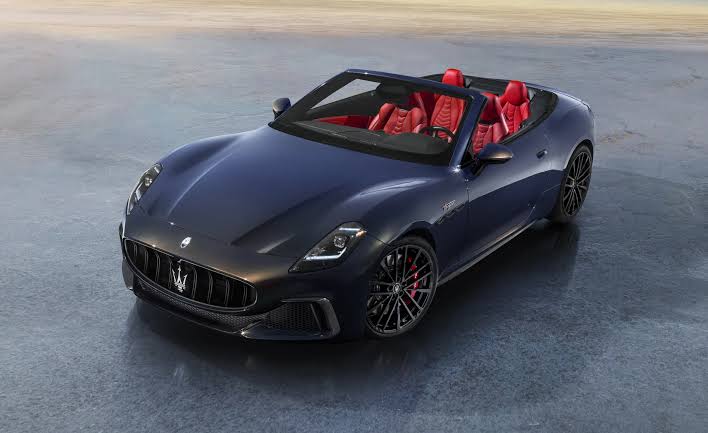
Luxury Cars That Combine Performance With Comfort appeal to drivers who want more than speed or premium materials. The best choices deliver acceleration, composed handling, quiet cabins, supportive seating, and suspension systems that remain comfortable on rough roads and long journeys.
This article explains what creates that balance, which luxury sedans represent it well, and what buyers should compare before choosing. It covers powertrains, ride quality, cabin comfort, technology, daily usability, and the trade-offs between sporty tuning and relaxed cruising.
What Makes a Luxury Car Both Fast and Comfortable?
Performance and comfort can pull a vehicle in different directions. Firm suspension, large wheels, aggressive tires, and highly responsive steering can make a car feel more athletic, while softer suspension and greater isolation typically improve ride comfort.
The strongest luxury performance cars use engineering and technology to reduce that compromise.
Key characteristics include:
- Strong, smooth power delivery
- Adaptive or air suspension
- Well-controlled body movement
- Effective cabin insulation
- Supportive multi-adjustable seats
- Refined automatic transmissions
- Multiple drive modes
- High-quality interior materials
- Stable highway behavior
- Predictable braking and steering
A luxury car does not need extreme horsepower to feel fast. Responsive acceleration, effortless overtaking, smooth transmission behavior, and usable torque often matter more during everyday driving.
Read More: Smart Car Maintenance Tips Every Driver Should Know
Luxury Cars That Balance Performance and Comfort
The models below illustrate different approaches to combining refined transportation with strong performance. Exact engines, options, pricing, and equipment can vary by market and model year.
Mercedes-Benz S-Class
The Mercedes-Benz S-Class remains focused heavily on refinement while offering substantial performance.
Mercedes-Benz currently lists the S 500 4MATIC with a turbocharged inline-six mild-hybrid powertrain producing 442 horsepower, while the S 580 4MATIC uses a V8 mild-hybrid powertrain producing 530 horsepower. Mercedes lists 0–60 mph times of 4.3 and 3.9 seconds respectively.
Those figures show why a full-size luxury sedan does not have to sacrifice acceleration for comfort.
The S-Class is particularly relevant to drivers who prioritize:
- Quiet long-distance cruising
- Rear-seat comfort
- Effortless acceleration
- Premium materials
- A refined rather than aggressive driving character
Its appeal is less about creating a sports-car experience and more about delivering substantial performance without disturbing the luxury atmosphere.
BMW 7 Series
The BMW 7 Series approaches luxury with a stronger emphasis on driver involvement while remaining designed for executive-level comfort.
BMW states that its current 7 Series uses adaptive two-axle air suspension that automatically adjusts damping according to the road surface. Available Integral Active Steering uses rear-wheel steering to improve maneuverability at lower speeds and stability at higher speeds.
BMW also offers extensive rear-passenger comfort equipment, including available reclining seating, massage functions, ventilation, entertainment technology, and rear-seat controls.
The 7 Series makes sense for buyers looking for a luxury sedan that can serve equally well as a driver’s car and a comfortable passenger vehicle.
Porsche Panamera
The Porsche Panamera takes a different approach. It is designed more explicitly around sports-car-like driving behavior while retaining four-door practicality and luxury-car comfort.
Current Panamera models use adaptive air suspension with Porsche Active Suspension Management. Porsche also offers its Active Ride chassis on selected E-Hybrid variants, a system designed to increase both ride comfort and dynamic capability.
The current range extends from relatively restrained versions to very high-performance hybrid variants. Porsche’s U.S. site lists outputs from 348 horsepower for the standard Panamera to 771 horsepower for the Panamera Turbo S E-Hybrid.
Inside, available rear-seat ventilation and massage functions help reinforce its grand-touring credentials.
For drivers who place handling higher on the priority list but still need everyday comfort, the Panamera represents a particularly relevant type of luxury performance car.
Genesis G90
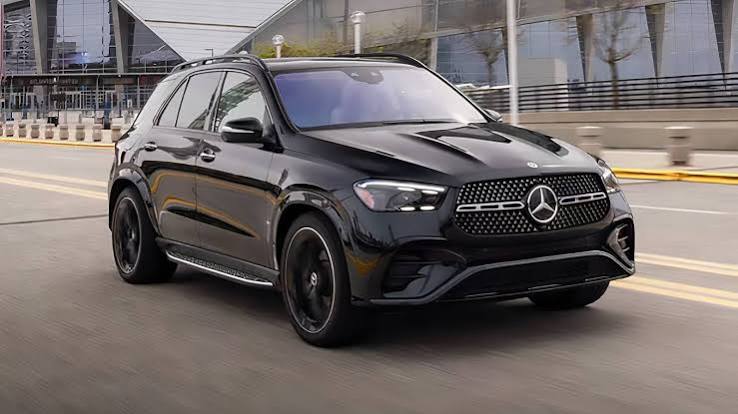
The Genesis G90 emphasizes passenger comfort while still providing considerable power.
For the 2026 U.S. model, Genesis lists a 375-horsepower 3.5T AWD version and a 409-horsepower 3.5T E-SC AWD version. Equipment includes electronically controlled suspension with Road Preview, while the higher-output version adds features such as power front and rear massage seats.
Genesis also offers an available multi-chamber air suspension designed to adjust ride height and damping to improve comfort over uneven surfaces and stability during highway driving.
The G90 can therefore appeal to drivers who prioritize a calm, spacious cabin but do not want sluggish performance.
Lucid Air
Electric powertrains have introduced another way to combine luxury with performance.
The Lucid Air range demonstrates this well because electric motors can provide rapid response while the vehicle remains quiet during normal driving.
Lucid’s current U.S. range includes multiple power levels, from the Air Pure to the high-performance Sapphire. The company lists outputs ranging from 430 horsepower for the Pure to 1,234 horsepower for the Sapphire, depending on configuration.
The Air also offers comfort-focused equipment including available heated, ventilated, and massaging front seats, substantial passenger space, and a large digital cockpit.
It illustrates how a luxury electric sedan can deliver substantial acceleration without requiring the noise or shifting characteristics of a conventional high-performance engine.
Performance and Comfort Comparison
| Model | Performance Character | Comfort Focus | Particularly Suited To |
|---|---|---|---|
| Mercedes-Benz S-Class | Powerful and effortless | Very high | Executive travel and long-distance driving |
| BMW 7 Series | Refined but driver-focused | Very high | Drivers wanting comfort with more engagement |
| Porsche Panamera | Sportiest character | High | Enthusiastic drivers who still need luxury |
| Genesis G90 | Smooth and relaxed | Very high | Comfort-focused luxury buyers |
| Lucid Air | Immediate electric acceleration | High | Buyers considering high-performance electric luxury |
This comparison should not be treated as a ranking. Each model emphasizes a different balance between road isolation, acceleration, handling, passenger comfort, and driving involvement.
Why Adaptive Suspension Matters
Suspension is one of the most important technologies in a performance-oriented luxury car.
Traditional suspension creates a relatively fixed compromise. A firm setup improves body control but can transmit more road imperfections into the cabin. A softer setup improves ride quality but may allow more body movement during aggressive driving.
Adaptive dampers can alter suspension behavior based on conditions or selected driving modes.
Air suspension can go further by adjusting factors such as ride height and spring characteristics.
This allows a luxury sedan to feel relaxed during highway travel while becoming more controlled when the driver selects a sportier mode.
Large Wheels Are Not Always Better for Comfort
Luxury vehicles are frequently offered with increasingly large alloy wheels.
They may improve appearance and can influence steering response, but larger wheels generally require lower-profile tires when overall tire diameter remains similar.
Less tire sidewall means less cushioning between the road and the suspension.
For buyers prioritizing comfort, the largest available wheel package may therefore not automatically be the best choice.
When test-driving two versions of the same vehicle, compare:
- Tire sidewall thickness
- Road noise
- Impact harshness
- Steering response
- Highway stability
A smaller factory wheel option can sometimes provide a more comfortable everyday ride without fundamentally changing the vehicle’s performance.
Seats Matter as Much as Suspension
A technically sophisticated suspension cannot compensate for uncomfortable seating.
For frequent long-distance driving, look beyond whether the seats simply feel soft in a showroom.
Important seat features include:
Adjustment Range
A good driving position should allow comfortable control of the steering wheel and pedals without creating pressure behind the knees or forcing the shoulders forward.
Lumbar and Thigh Support
Adjustable lumbar support can help maintain a natural seating position, while extendable thigh support may be valuable for taller occupants.
Heating and Ventilation
These functions can make long journeys more comfortable in both cold and hot climates.
Massage Functions
Massage seats are increasingly available in flagship luxury cars. They are not essential, but they can improve perceived comfort during extended journeys.
Cabin Noise Is an Important Part of Luxury
Comfort involves more than suspension softness.
Wind noise, tire noise, engine vibration, and road noise all affect how relaxing a car feels after several hours of driving.
Luxury manufacturers use combinations of:
- Acoustic glass
- Additional insulation
- Sealed body structures
- Active noise-management technology
- Refined engine mounts
- Aerodynamic body design
Electric vehicles remove conventional engine noise during normal operation, although tire and wind noise can become more noticeable because there is less powertrain sound to mask them.
A test drive should therefore include both urban streets and highway speeds.
Gasoline, Hybrid, or Electric: Which Is Better?
There is no single powertrain that automatically provides the best blend of performance and comfort.
Gasoline Luxury Cars
Modern turbocharged gasoline engines can deliver strong acceleration and long-distance convenience.
They may suit buyers who regularly travel long distances and want quick refueling with broad infrastructure availability.
Hybrid and Plug-In Hybrid Luxury Cars
Electrification can supplement the combustion engine with electric torque, potentially creating smoother low-speed response.
Plug-in hybrids may also permit some local trips using electric power, depending on the vehicle and charging habits.
Electric Luxury Cars
Electric motors offer immediate response and smooth acceleration without conventional gear changes.
They also operate quietly, which can complement a luxury-car environment.
However, charging access, real-world range requirements, climate, journey length, and charging speed should all be considered before choosing an EV.
Performance Numbers Do Not Tell the Whole Story
Horsepower and acceleration times receive attention because they are easy to compare, but they reveal only part of the driving experience.
A comfortable performance car should also provide:
- Smooth throttle response
- Consistent braking
- Stable cornering
- Controlled suspension movement
- Predictable steering
- Minimal drivetrain vibration
- Smooth low-speed behavior
Two vehicles with similar acceleration figures can feel completely different from behind the wheel.
One may prioritize aggressive responses, while another delivers its performance in a quieter and more progressive way.
Best Type of Luxury Car for Long-Distance Driving
For frequent motorway or highway travel, focus more heavily on comfort than maximum performance.
Useful features include:
- Adaptive cruise-control systems
- Supportive seats
- Low cabin noise
- Air or adaptive suspension
- Effective climate control
- Strong overtaking performance
- Good driving range
- Easy-to-use infotainment
- Adequate luggage space
A slightly slower luxury sedan with better seats and quieter highway behavior may be more satisfying over a 500-mile journey than a considerably faster model with a much firmer ride.
Best Type for Drivers Who Enjoy Performance
Drivers who genuinely enjoy cornering and responsive handling should pay attention to chassis behavior rather than purchasing solely according to horsepower.
Look for:
- Adjustable suspension
- Responsive steering
- Effective brakes
- Performance-oriented drive modes
- Rear-wheel steering where offered
- Well-calibrated all-wheel drive
- Supportive seats
- Good body control
Models such as the Porsche Panamera illustrate how luxury and serious dynamic capability can exist in the same four-door vehicle.
How to Test Drive a Luxury Performance Car Properly
A short drive around a dealership may hide many weaknesses.
Try to experience several road conditions before deciding.
1. Start on Rough Roads
Drive across patched pavement and uneven surfaces.
Listen for suspension noise and notice how sharply bumps reach the seats.
2. Test Low-Speed Comfort
Luxury cars should remain smooth in traffic, during parking maneuvers, and when moving away from a stop.
Jerky throttle or transmission behavior can become frustrating during everyday use.
3. Try Highway Speeds
Assess wind noise, tire noise, directional stability, seat comfort, and overtaking response.
4. Compare Driving Modes
Switch between comfort and sport settings where available.
The difference should be useful rather than merely changing dashboard graphics or throttle sensitivity.
5. Sit in Every Seat
A vehicle may have an excellent driver’s seat but limited rear comfort.
Check headroom, legroom, visibility, seat shape, climate controls, and entry and exit.
6. Test the Exact Wheel and Tire Combination
Ride quality can vary between trims because wheel sizes and tires differ.
Ideally, test the same specification you intend to purchase.
Features Worth Prioritizing
Some luxury-car options contribute more to daily comfort and usability than cosmetic upgrades.
Useful features to consider include:
- Adaptive suspension
- Air suspension
- Adaptive cruise control
- Quality seat ventilation
- Multi-way seat adjustment
- Acoustic glass
- Surround-view cameras
- Rear-wheel steering
- Adaptive headlights
- Premium audio
- Automatic climate zones
- Driver-assistance systems
The value of each feature depends on how the vehicle will actually be used.
For example, rear-seat entertainment may matter greatly in a chauffeur-driven flagship but offer little value to a buyer who usually drives alone.
What Should Buyers Check Before Choosing?
Before buying a luxury performance car, evaluate the vehicle according to your typical journeys rather than occasional situations.
Consider these questions:
- Will the car mainly be driven in cities or on highways?
- How often will rear passengers travel in it?
- Is soft ride quality more important than sharp handling?
- Do you have practical access to EV charging?
- How much luggage space do you need?
- Are performance tires suitable for your climate?
- Are the preferred comfort features standard or optional?
- How much will replacement tires and routine maintenance cost?
- Is the dealer and service network convenient in your area?
The right balance is personal. A vehicle designed around aggressive handling may feel unnecessarily firm to one buyer, while a softer flagship sedan may feel too isolated to another.
FAQs
Which luxury cars offer both performance and comfort?
Models such as the Mercedes-Benz S-Class, BMW 7 Series, Porsche Panamera, Genesis G90, and Lucid Air demonstrate different approaches to combining strong performance with high levels of comfort. The most appropriate choice depends on whether you prioritize handling, rear-seat luxury, electric performance, or relaxed cruising.
Is an air suspension worth having on a luxury car?
It can be particularly valuable when ride comfort is important. Air suspension can help isolate uneven road surfaces and, depending on the system, alter ride height or suspension characteristics. Complexity and future repair costs should also be considered.
Are performance luxury cars comfortable for long trips?
Many are, particularly grand-touring sedans designed to combine strong engines with refined cabins. However, aggressive suspension settings, low-profile tires, and sport seats can make certain configurations less comfortable, so an extended test drive is important.
Does more horsepower make a luxury car better?
Not automatically. Horsepower affects performance potential, but ride quality, transmission calibration, cabin refinement, braking, steering, seating, and usable power delivery matter just as much during everyday driving.
Are electric luxury cars more comfortable than gasoline cars?
Electric cars can feel exceptionally smooth because electric motors deliver power without conventional gear changes and produce relatively little powertrain noise. Overall comfort still depends on suspension tuning, tires, seats, cabin insulation, and vehicle design.
Should I choose comfort mode or sport mode for everyday driving?
Comfort mode is usually better suited to routine driving because it generally prioritizes smoother responses and softer suspension settings where electronically adjustable suspension is fitted. Sport modes are more useful when sharper throttle, steering, or chassis responses are desired.
What wheel size is best for a comfortable luxury car?
The largest available wheel is not necessarily the most comfortable. A factory-approved smaller wheel with a higher-profile tire can provide additional cushioning over poor surfaces. The ideal option depends on the specific vehicle and tire package.
Conclusion
Luxury Cars That Combine Performance With Comfort succeed because their engineering goes beyond horsepower. Power delivery, suspension tuning, cabin isolation, seating, tires, technology, and everyday usability all contribute to the experience.

1 Comment
Pingback: Future of Electric Vehicles and Sustainable Driving - MKOVAH Magazine